Knowing the best time to visit Vietnam is essential for travel agents. Vietnam is 1,650 kilometres long. That matters more than people think.
Because of its extraordinary length — stretching from the misty highlands of the north down to the tropical delta of the south — Vietnam essentially runs on three different weather systems at once. The challenge for agents isn’t finding good weather in Vietnam; it’s knowing where to send clients based on when they’re travelling. Get it right, and every day of the trip is a gift. Get it wrong, and your clients spend four days in a typhoon-lashed guesthouse wondering why they didn’t go to Portugal.
This guide maps Vietnam’s climate month by month, region by region, so you can build itineraries that work — and sell them with real authority. This is your complete guide to the best time to visit Vietnam, month by month.

Vietnam’s Climate: The Big Picture
Vietnam’s weather is shaped by two monsoon systems and its dramatic topography. Broadly, there are three regions to think about: Understanding this is the foundation for knowing the best time to visit Vietnam for any type of client.
- North Vietnam (Hanoi, Sapa, Ha Long Bay) — four distinct seasons. Winters are cool and grey (sometimes genuinely cold in the mountains), summers are hot and rainy. The sweet spot is October to April.
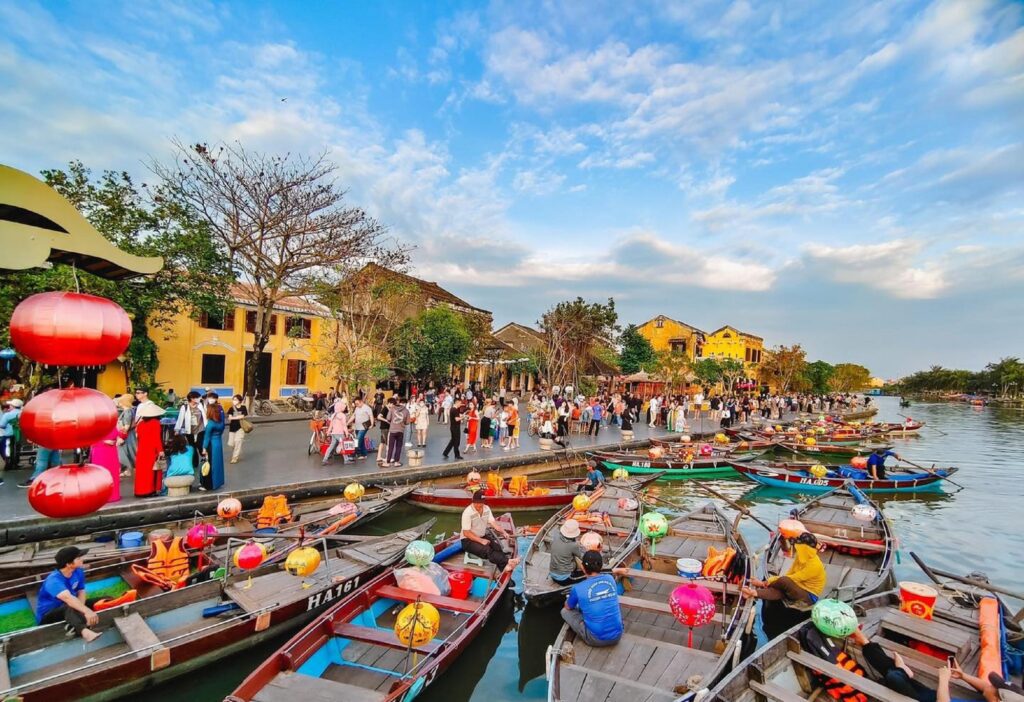
- Central Vietnam (Hue, Da Nang, Hoi An, Quy Nhon) — the most weather-sensitive region. The central coast gets a reverse monsoon — it rains here when the south is dry. The best window is February to May. Typhoon season (September to November) is the one to avoid.
- South Vietnam (Ho Chi Minh City, Mekong Delta, Phu Quoc) — two seasons: dry and wet. The dry season (November to April) is excellent across the board. The wet season brings daily afternoon rain but rarely stops travel entirely.
“The most common mistake agents make? Booking Hoi An in October without checking the weather. The central coast is typhoon territory — build your itinerary around that, not against it.”

Month-by-Month: What to Expect Across Vietnam
Use this table as your quick-reference guide when building itineraries. The ‘Best For’ column tells you which regions and experiences to lead with for each month.
| Month | North Vietnam | Central Vietnam | South Vietnam | Best For |
| January | Cool & dry (12–18°C). Clear skies, great for sightseeing. | Mild & dry. Hoi An at its most beautiful. | Hot & dry (30°C+). Peak beach season. | Hoi An, Phu Quoc, HCMC, coastal south |
| February | Cool, often sunny. Tet period — avoid if possible. | Warm & lovely. Post-Tet: calm and uncrowded. | Warm & dry. Excellent across the board. | Best overall month. Everywhere — except during Tet week |
| March | Warming up nicely. Blossom season in the hills. | Getting drier and warmer. Peak season begins. | Warm & dry. Beaches at their best. | Ha Long Bay, Hoi An beaches, Phu Quoc |
| April | Warm, occasional showers begin. | Dry and warm — arguably the best month here. | Hot (35°C). Dry in the south. | Central Vietnam, Da Nang, Nha Trang, Ha Long Bay |
| May | Rain increasing. Sapa lush and green. | Starting to get very hot (38°C+) and dry. | Rainy season begins. Still manageable. | Sapa trekking, budget-savvy south itineraries |
| June | Wet season. Good for lush landscapes, lower prices. | Very hot & dry — avoid beach-heavy itineraries. | Wet. Mekong Delta lush. | Budget travel, Mekong river life, Sapa |
| July | Warm & rainy. Off-peak prices. | Hot. Some storms possible on the coast. | Rainy — fewer tourists, great prices. | Off-peak rates; adventurous clients only |
| August | Warm & wet. Ha Long Bay can have rough seas. | Hot, stormy risk on coast. | Still rainy in south. | Budget travellers; mountain regions |
| September | Rain easing in north. Sapa rice terraces at their peak. | Typhoon risk — avoid coastal central Vietnam. | Rain easing. Shoulder season beginning. | Sapa (unmissable in September), northern highlands |
| October | Cool & drying. Great for Hanoi & Ha Long Bay. | Typhoon risk continues through mid-month. | Drying fast. South emerging into high season. | Hanoi, Ha Long Bay, Mekong Delta, south coast |
| November | Cool & dry. Ideal for north Vietnam. | Cooling down. Hoi An lantern festival. | Dry season fully underway. Beach season opens. | Everywhere — arguably the best month to visit |
| December | Cold in north (8–14°C in Hanoi). Misty in Sapa. | Pleasantly cool & dry. Christmas in Hoi An. | Dry & warm. Phu Quoc in full swing. | Phu Quoc, HCMC, Hoi An, Da Lat for New Year |
Note: ‘Tet’ (Lunar New Year) typically falls in late January or February. Prices spike, tourist infrastructure closes or reduces, and domestic travel is chaotic. Advise first-time clients to avoid this window unless the cultural experience of Tet is specifically the point of the trip.
Regional Quick Reference
If you’re building a multi-region itinerary and need a fast reference, use this: When planning the best time to visit Vietnam, this table is your starting point.
| Region | Best Months | Best to Avoid |
| North Vietnam(Hanoi, Sapa, Ha Long Bay) | October – April | May – September (heavy rain; rough seas on Ha Long Bay) |
| Central Vietnam(Hue, Da Nang, Hoi An) | February – May | September – November (typhoon season; avoid coast) |
| South Vietnam(HCMC, Mekong, Phu Quoc) | November – April | May – October (wet season; Phu Quoc and coast less pleasant) |
Best Time to Visit Vietnam by Travel Style
Beyond the regional breakdown, different types of travellers have different optimal windows. Here’s how to match client interests to the calendar:

Beach Lovers
The beaches of South Vietnam — Phu Quoc, Con Dao, Mui Ne — are at their best from November to April. On the central coast, Da Nang and Hoi An’s beaches are excellent from February through May. Avoid the central coast from September onwards.
Trekkers & Hikers (Sapa, Ha Giang)
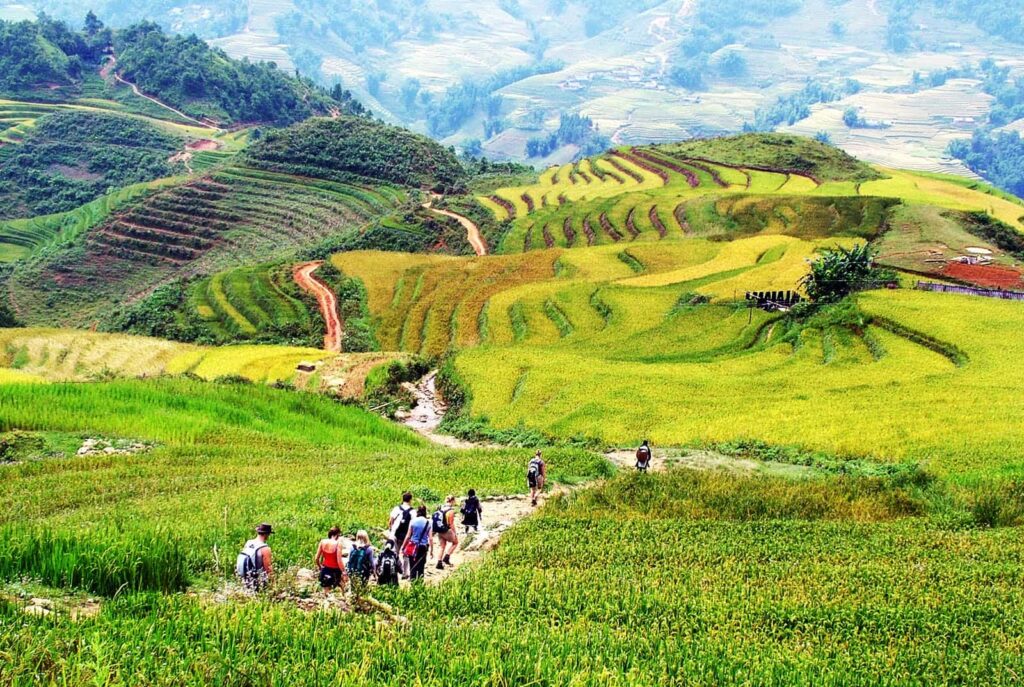
September is the single most magical month for northern Vietnam trekking. The rice terraces turn gold before the harvest — it’s genuinely one of the most photographed landscapes in Southeast Asia. March to May is also excellent: mild temperatures, green landscapes, good visibility. Avoid July and August — the trails get muddy and the leeches emerge. The best time to visit Vietnam for trekking is September in the north.

Culture & History Enthusiasts
Culture seekers have enormous flexibility. Hoi An, Hue and the central cultural triangle are best from February to May. Hanoi’s Old Quarter is pleasant year-round but feels most vibrant in autumn (October–November) and spring (March–April), when the air is clear and the city is at its liveliest.

Festival Chasers
Vietnam’s festival calendar is rich year-round. The full 2026 cultural events guide covers everything from the Hue Festival to Danang’s International Fireworks Competition. One strong steer: Hoi An’s Full Moon Lantern Festival happens every month — but the best time to experience it is February to April, when the weather cooperates and the town isn’t flooded with domestic tourists.

Honeymoon & Romance
November to April is the golden window — dry across the south, pleasant in the centre, manageable in the north. For a romantic Vietnam itinerary that combines all three regions, February and March hit the sweet spot: warm in the south, gorgeous in Hoi An, and clear skies over Ha Long Bay.

Family Travellers
Families need reliability. The November to March window gives consistent, predictable weather across most of the country — crucial when you’re travelling with children. See our family travel guide to Vietnam for detailed destination and timing recommendations.
Budget & Off-Peak Travellers
The wet season (May–October in the south and north) brings lower prices and smaller crowds. Savvy budget travellers can find excellent value — just match destinations to the weather. The south is perfectly serviceable in the wet season as long as clients understand that afternoon rain is standard. Avoid the central coast and Ha Long Bay. Understanding the best time to visit Vietnam for your budget is key to maximizing client satisfaction.

Agent Tips: Selling Vietnam All Year Round
Vietnam’s complexity is actually your advantage as an agent. Here’s how to leverage it: Knowing the best time to visit Vietnam is what separates a confident agent from one who gets it wrong.
- Lead with confidence, not caveats. Every month has a region where conditions are excellent. Frame your recommendation as expertise: “For October travel, I’d route your clients through Hanoi and Ha Long Bay — the northern coast is at its best.” Don’t apologise for the monsoon; work around it.
- Warn about Tet, every time. Lunar New Year brings inflated prices, closed restaurants and intense domestic travel pressure. First-time clients should avoid it. Experienced clients who specifically want the cultural experience can embrace it — but they need to know what they’re signing up for.
- Use the north-south routing to your advantage. When clients have flexibility, routing them north-to-south (or vice versa) means you can always place them in the best weather window. Mix and match regions based on the calendar.
- The 12-night itinerary is the sweet spot. Long enough to do three regions properly; short enough for the typical European annual leave budget. Our Vietnam honeymoon guide has a template that works for couples; adapt it for other client types.
- Shoulder season is underrated. May and October offer smaller crowds, lower prices, and — if you route correctly — excellent conditions. Position this as insider knowledge, not compromise.
- Dalat is the weather wildcard. At 1,500 metres, Da Lat has its own microclimate — cool, misty and often lovely even when the coast is at its worst. Read our Da Lat destination guide for how to weave it into central or southern itineraries. For official climate data and destination insights, refer to the Vietnam National Administration of Tourism
| Planning a Vietnam Itinerary? Our team builds custom packages for every season — designed for European and Russian agents who want to get it right first time. |